
Shoulder pain can disrupt your life in countless ways. Simple tasks like reaching into a cabinet, throwing a ball with your kids, or even getting dressed can become challenging when your shoulder isn’t functioning properly. If you’ve been asking yourself, “Why do I have shoulder pain?” you’re not alone. Understanding the source of your discomfort is the first step toward treatment and recovery. In this post, we’ll take a closer look at common causes of shoulder pain.
Key Takeaways
- Shoulder pain stems from various sources, including rotator cuff injuries, arthritis, tendonitis, and inflammation of surrounding structures.
- The shoulder’s exceptional mobility makes it susceptible to both injury and gradual wear-and-tear conditions.
- Age, activity level, occupation, and previous injuries all influence your risk for developing shoulder problems.
Understanding Your Shoulder’s Anatomy
Your shoulder is a complex system of multiple joints working together to provide the widest range of motion of any joint in your body. The primary shoulder joint, called the glenohumeral joint, connects your upper arm bone (humerus) to your shoulder blade (scapula). This ball-and-socket configuration allows you to move your arm in multiple directions. The collarbone (clavicle) also plays an important role, connecting to your shoulder blade at the acromioclavicular (AC) joint.
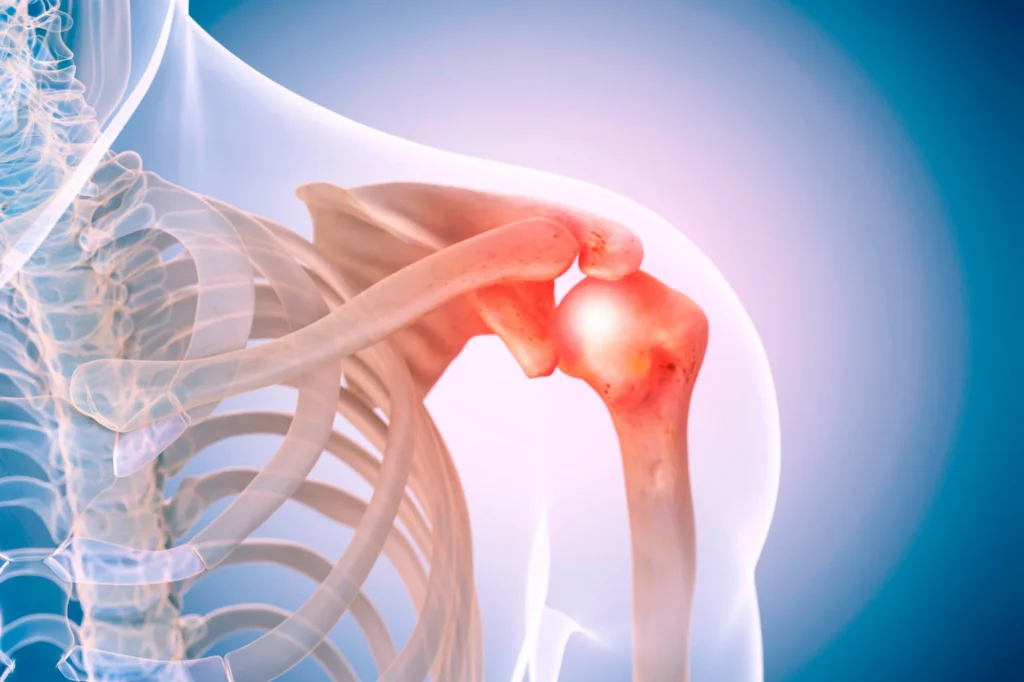
Several structures support and stabilize your shoulder. The rotator cuff consists of four muscles and their tendons that surround the joint, keeping the ball centered in the socket while enabling rotation and lifting movements. A ring of cartilage called the labrum deepens the socket and provides additional stability. Bursa sacs reduce friction between moving parts, while ligaments connect bones and prevent excessive motion.
This intricate arrangement creates a delicate balance between mobility and stability. When any component becomes damaged or inflamed, the entire system can be affected, leading to pain and dysfunction.
Common Causes of Shoulder Pain
Rotator Cuff Injuries
Rotator cuff injuries can range from inflammation and tendinitis to partial or complete tears of one or more tendons. Rotator cuff tendinitis typically develops from repetitive overhead activities or gradual wear over time. You might notice pain on the outside of your shoulder or down your arm that worsens when reaching overhead or behind your back. Night pain is particularly common and may disrupt sleep when you roll onto the affected shoulder.
Tears can occur suddenly from trauma, such as catching yourself during a fall, or develop gradually as tendons weaken with age. A sudden tear often causes immediate, sharp pain and weakness. Degenerative tears tend to produce more subtle symptoms that worsen progressively. You may struggle to lift your arm, experience weakness when rotating your shoulder, or hear clicking or popping sounds with certain movements.
Treatment approaches vary based on tear severity. Physical therapy, anti-inflammatory medications, and activity modification may help manage symptoms for partial tears or tendinitis. Complete tears, especially in younger, active individuals, may benefit from surgical repair.
Shoulder Impingement Syndrome
Shoulder impingement occurs when the rotator cuff tendons become compressed between the bones of the shoulder during movement. This compression irritates the tendons and the bursa that cushions them, leading to inflammation and pain.
The condition often develops in people who perform repetitive overhead activities. Athletes involved in swimming, tennis, or baseball are particularly susceptible, as are workers whose jobs require frequent reaching above shoulder level. Poor posture, particularly forward-rounded shoulders, can narrow the space available for tendons and increase impingement risk.
Symptoms may include pain when lifting your arm, weakness, and discomfort when reaching behind your back. Conservative management typically includes physical therapy focused on strengthening and posture correction, along with anti-inflammatory medications and possible corticosteroid injections. If conservative treatments don’t provide adequate relief, arthroscopic surgery may be recommended.
Frozen Shoulder (Adhesive Capsulitis)
Frozen shoulder is a condition where the joint capsule that surrounds your shoulder becomes thick and tight, severely restricting movement. The condition typically develops in three stages: freezing, frozen, and thawing.
During the freezing stage, pain gradually increases while range of motion decreases. This phase can last several months. The frozen stage brings less pain but significant stiffness, making simple tasks like combing your hair or reaching into a back pocket extremely difficult. The thawing stage involves gradual improvement in mobility, though recovery can take months to years.
Certain factors may increase your risk of developing frozen shoulder. Individuals with diabetes or thyroid conditions face an elevated risk, as do those who’ve had prolonged shoulder immobility due to injury, surgery, or stroke.
Treatment focuses on maintaining as much motion as possible and managing pain. Physical therapy emphasizing gentle stretching is typically a part of treatment. Some patients benefit from corticosteroid injections to reduce inflammation. For cases that don’t respond to conservative care, manipulation under anesthesia or arthroscopic capsular release may be recommended.
Arthritis of the Shoulder
Shoulder arthritis is less common than arthritis of the knee or hip, but it can still cause significant pain and loss of function. Several types can affect the shoulder, including osteoarthritis from age-related cartilage wear, post-traumatic arthritis following prior injury, inflammatory arthritis such as rheumatoid arthritis, and rotator cuff tear arthropathy, which develops when chronic rotator cuff damage alters joint mechanics.
Symptoms often develop gradually. Early on, patients may notice deep, aching pain that worsens with activity and improves with rest. As arthritis progresses, pain may become more constant, including at night. Stiffness can limit overhead movement or reaching behind the back, and some people experience grinding or clicking sensations in the joint.
Treatment typically begins with conservative options such as activity modification, physical therapy, anti-inflammatory medications, and corticosteroid injections. When these measures no longer provide adequate relief, shoulder replacement surgery may be considered. Total shoulder replacement is commonly used when the rotator cuff is intact, while reverse shoulder replacement may be recommended for patients with significant rotator cuff deficiency.
Bursitis
Bursae are small, fluid-filled sacs that cushion bones, tendons, and muscles near joints. The shoulder contains several bursae, with the subacromial bursa (located beneath the highest point of the shoulder blade) being most commonly affected.
Shoulder bursitis often develops alongside rotator cuff problems or impingement. Repetitive motions, prolonged pressure, or sudden injury can inflame the bursa. The resulting swelling creates additional pressure in the already confined space beneath the acromion.
Symptoms typically include pain on the outside and top of the shoulder that worsens with overhead activities. The area may feel tender to the touch. Initial treatment focuses on reducing inflammation through rest, ice application, and anti-inflammatory medications. Physical therapy may help restore normal movement patterns and strengthen supporting muscles.
Labral Tears and Instability
The labrum is a ring of cartilage that deepens the shoulder socket and helps stabilize the joint. Tears can result from an injury, such as falling on an outstretched arm or shoulder dislocation, or develop gradually from repetitive stress.
Overhead athletes, particularly baseball pitchers and volleyball players, may be at increased risk for labral tears due to the extreme forces placed on the shoulder during throwing motions. You might experience deep shoulder pain, clicking or catching sensations, or a feeling that your shoulder might “give out” during certain movements.
Shoulder instability occurs when the structures that normally keep the ball centered in the socket become compromised. The shoulder can dislocate completely, with the ball coming entirely out of the socket, or sublux, where it partially slips out before returning to position.
Treatment approaches depend on various factors, including age, activity level, and whether dislocations are traumatic or atraumatic.
When to Seek Medical Evaluation
It is important to know when it may be time to see an experienced shoulder specialist. Consider seeking prompt medical attention if you experience sudden, severe pain following an injury, particularly if accompanied by visible deformity, inability to move your arm, or intense swelling.
Additionally, consider scheduling an appointment with a shoulder specialist if pain persists beyond a few weeks despite rest and over-the-counter pain medications. Progressive weakness, increasing difficulty with daily activities, or night pain that disrupts sleep may also warrant evaluation.
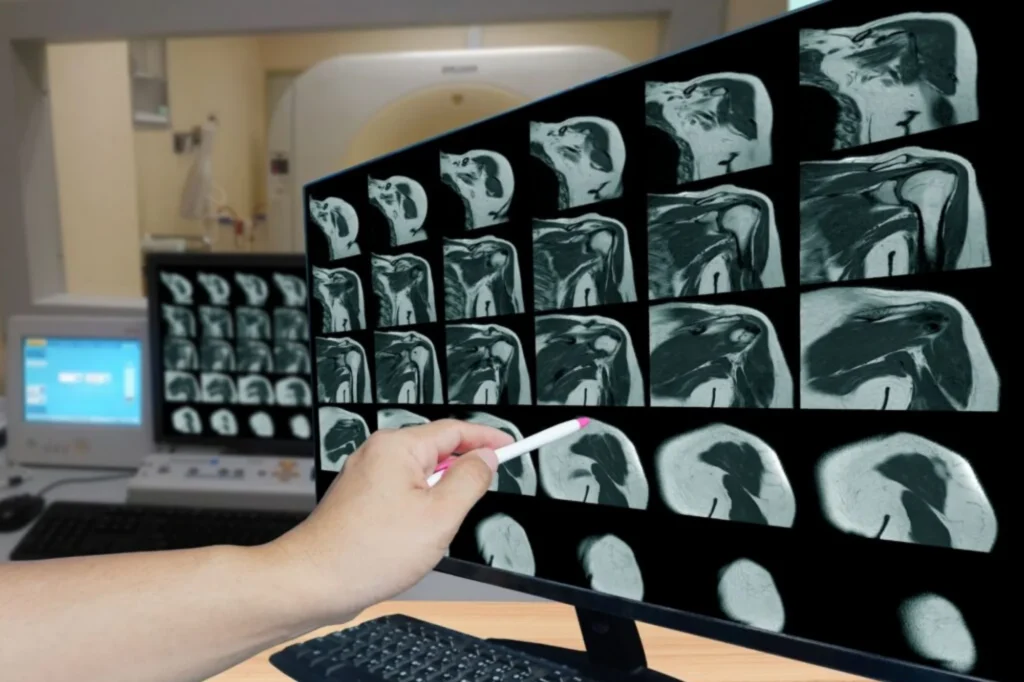
During your evaluation, your doctor will conduct a thorough physical examination, assessing range of motion, strength, stability, and specific areas of tenderness. This information helps guide decisions about imaging studies, which might include X-rays to evaluate bones and joint spacing, MRI to visualize soft tissues like tendons and cartilage, or ultrasound for dynamic assessment.
Summary
The question, “Why do I have shoulder pain?” can have many different answers. From rotator cuff tears and impingement to arthritis, bursitis, and instability, numerous conditions can affect this complex joint. The shoulder’s exceptional mobility, while allowing us to perform countless daily activities and athletic movements, also makes it vulnerable to both injury and gradual degenerative changes. Understanding the potential sources of your shoulder pain can empower you to seek appropriate care and make informed decisions about treatment.
Frequently Asked Questions
Can shoulder pain go away on its own?
Some shoulder pain does resolve without medical intervention, particularly if it results from minor strain or overuse. Rest, ice, over-the-counter anti-inflammatory medications, and temporary activity modification may help mild cases improve. However, persistent pain, pain that worsens despite rest, or pain accompanied by weakness may suggest an underlying problem that’s unlikely to resolve without treatment.
How long does it take for shoulder pain to heal?
Healing time varies enormously based on the specific condition, severity, and treatment approach. Minor strains or tendinitis might resolve within a few weeks with rest and appropriate care. Other conditions may take months to a year or longer. Your doctor can provide an estimate based on your specific condition and treatment plan.
Should I exercise with shoulder pain?
The answer depends on the cause and severity of your pain. In many cases, gentle range-of-motion exercises that don’t increase pain can help prevent stiffness. However, activities that cause sharp pain or worsen symptoms should typically be avoided until proper healing occurs. Working with a physical therapist ensures you’re performing appropriate exercises at the right intensity.