Reverse total shoulder arthroplasty is a surgical procedure that may be used to address severe shoulder problems, particularly when the rotator cuff is damaged. In this post, we’ll explore how the procedure works, when it may be recommended, and what to expect during recovery.
Key Takeaways
- Reverse total shoulder arthroplasty reconfigures the shoulder joint, with the goal of allowing improved function even in cases of severe rotator cuff damage.
- Common indications include massive rotator cuff tears, rotator cuff arthropathy, severe arthritis, or complex shoulder fractures.
- Recovery typically involves wearing a sling for several weeks, engaging in prescribed rehabilitation exercises, and attending follow-up appointments to monitor progress.
Understanding Reverse Total Shoulder Arthroplasty
Reverse total shoulder arthroplasty, or reverse shoulder replacement, is designed to relieve pain and restore the ability to raise the arm, particularly in individuals who have lost significant shoulder function due to irreparable rotator cuff damage.
Unlike traditional shoulder replacements, in reverse shoulder replacement, the positions of the ball and socket are reversed. This means the ball component is placed in the glenoid cavity (shoulder socket), and the socket is fixed to the upper arm bone, or humerus.
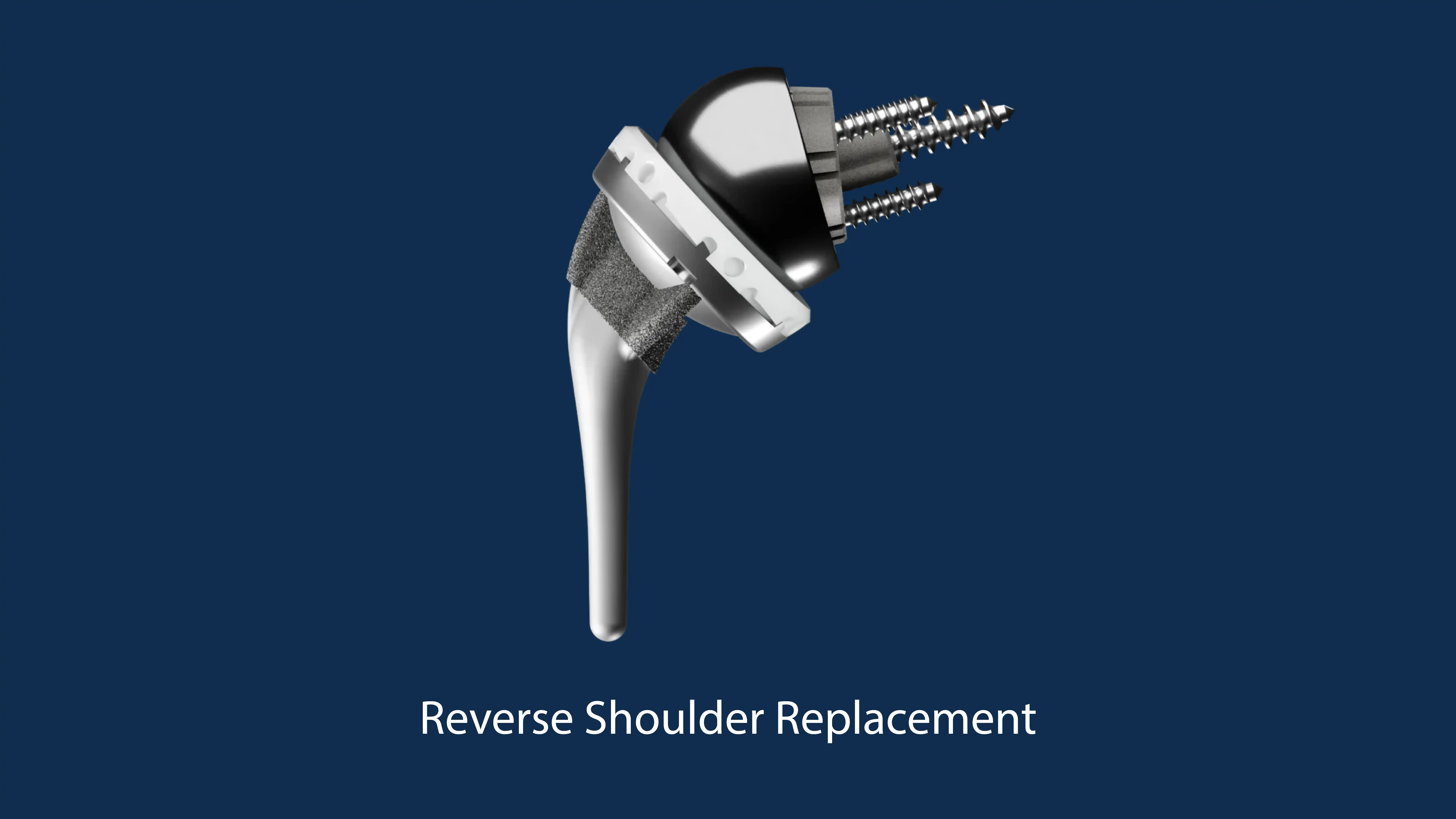
This innovative approach may support shoulder function even when the rotator cuff muscles are severely compromised or nonfunctional. The reversal changes the mechanics of the joint, allowing the deltoid muscle to move the arm more effectively when the rotator cuff cannot.
Indications for Reverse Total Shoulder Arthroplasty
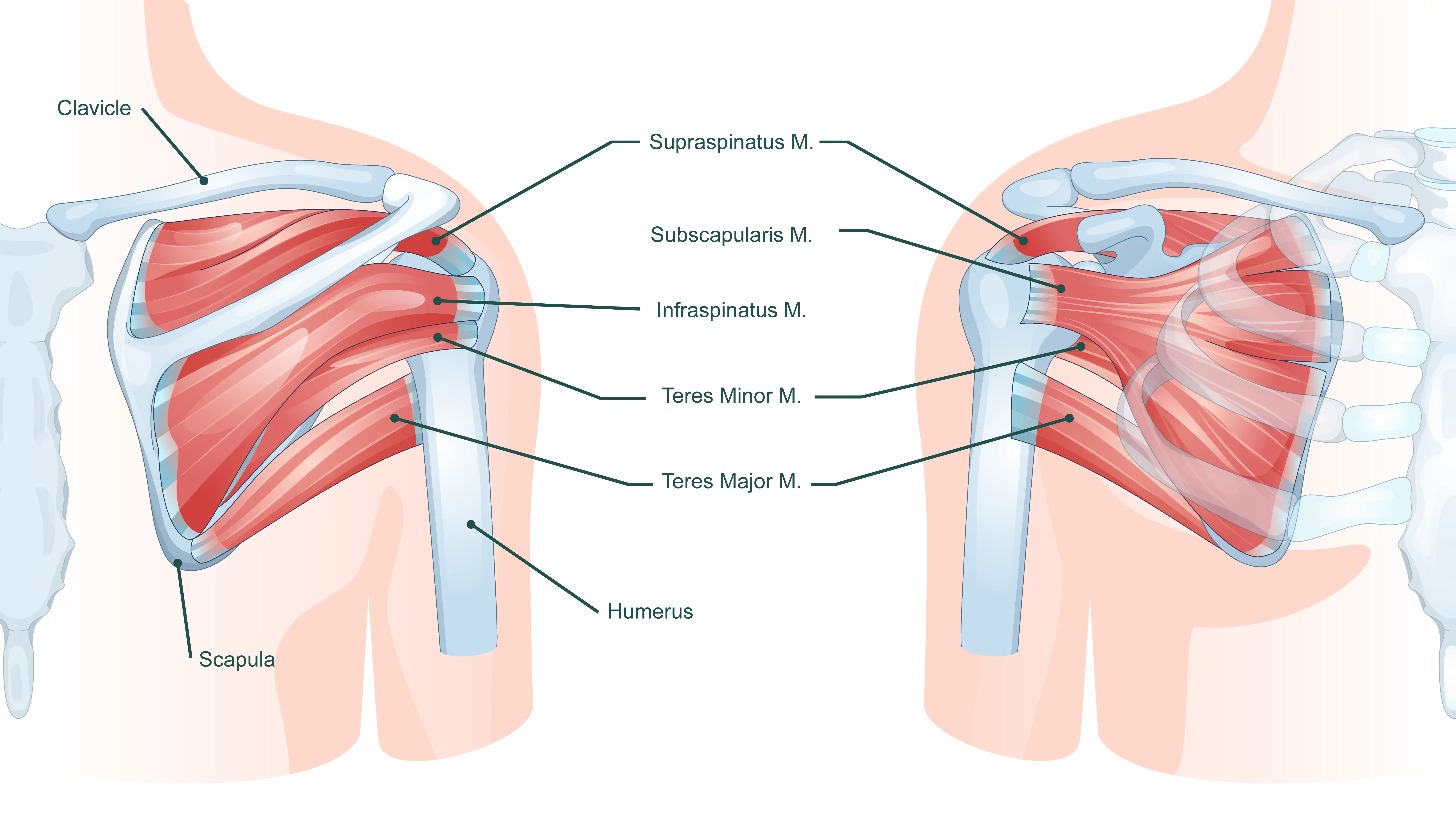
Reverse total shoulder arthroplasty may be recommended for a variety of shoulder conditions. One of the primary indications is the presence of a massive rotator cuff tear. These tears involve injuries to multiple tendons, leading to impairment of shoulder function and, often, severe pain.
Another possible indication is rotator cuff arthropathy, a condition characterized by arthritis resulting from a rotator cuff tear. This condition can cause debilitating shoulder pain and restrict movement, making everyday tasks challenging.
Complex fractures of the shoulder joint are also scenarios where reverse total shoulder arthroplasty may be recommended. For many patients, reverse arthroplasty has helped to restore arm movement, reduce discomfort, and improve quality of life. An experienced shoulder specialist can evaluate the condition and help guide the most appropriate treatment path.
Preparing for Surgery
Before the procedure, your surgeon will usually perform a medical evaluation, which may include a physical examination, a review of your medical history, and imaging tests such as X-rays or MRI to help confirm the diagnosis and guide the surgical plan.
Your healthcare team may also review all medications and supplements you are taking. In some cases, certain medications might need to be adjusted or paused prior to surgery. Some patients may be advised to participate in pre-surgery physical therapy to help strengthen the surrounding muscles and potentially support recovery.
Lifestyle adjustments can also be helpful. Many patients find it beneficial to arrange for assistance at home during the early recovery period, make changes to their living space to limit overhead reaching, and prepare a comfortable area for rest. Finally, you may be asked to follow certain fasting guidelines, such as when to stop eating or drinking before surgery.
Surgical Procedure Overview
The procedure typically involves the following steps:
- Anesthesia: The patient is placed under general anesthesia to ensure they are comfortable and pain-free during surgery. Often this is done along with a nerve block that can make the arm numb to help reduce pain.
- Incision: An incision is made, usually along the front of the shoulder, to allow access to the joint.
- Preparation: The damaged surfaces of the humeral head and the glenoid (socket) are carefully removed. The bone is shaped to fit the components of the reverse prosthesis.
- Insertion: The “ball” component is fixed to the glenoid, and the “socket” component is attached to the top of the humerus. These are secured in place to create the new joint configuration.
- Closure: The area is irrigated to reduce infection risk, and the incision is closed.
- Recovery room: The patient is transferred to a recovery area for monitoring as they wake from anesthesia.
The full procedure typically takes around 1-3 hours.
Postoperative Care and Rehabilitation
After surgery, patients are typically instructed to wear a sling for about 3 weeks to protect the shoulder and support the surgical site in healing properly. Ice and nonsteroidal anti-inflammatory drugs (NSAIDs) can support pain relief during the healing process. Sometimes, stronger pain medications can also be used.
Physical therapy plays a key role in the rehabilitation process. Prescribed exercises can help strengthen the shoulder muscles and improve the range of motion, gradually restoring functionality.
Patients should generally avoid heavy lifting and high-impact activities during the recovery period. Movements that place excessive strain on the shoulder should also typically be avoided.
Ongoing monitoring is important for successful recovery. Follow-up appointments may include physical assessments and imaging to check implant integrity and shoulder healing. These allow for early identification of potential issues.
Benefits of Reverse Shoulder Replacement
Potential benefits of reverse shoulder replacement surgery include:
- Pain reduction
- Improved ability to perform daily activities
- Better arm function (strength and motion)
Advances in implant design such as InSet™ reverse shoulder replacement and surgical technique have also contributed to longer-lasting and more predictable outcomes.
Summary
In conclusion, reverse total shoulder arthroplasty can be a promising option for individuals suffering from severe shoulder conditions. By understanding the procedure, its indications, and the necessary postoperative care, patients can make informed decisions about their treatment options.
Frequently Asked Questions
What are the main differences between reverse total shoulder arthroplasty and traditional shoulder replacement?
The primary difference between reverse total shoulder arthroplasty and traditional shoulder replacement is that the ball and socket components are reversed in the former. This modification can enhance stability and function in patients with severe rotator cuff injuries.
Who is a candidate for reverse total shoulder arthroplasty?
Candidates for reverse total shoulder arthroplasty typically include individuals with massive rotator cuff tears, rotator cuff arthropathy, or complex shoulder fractures.
What is the recovery process like after reverse total shoulder arthroplasty?
Recovery after reverse total shoulder arthroplasty typically requires wearing a sling for 3 weeks, managing pain with ice and medication, and performing prescribed exercises to regain strength. Regular follow-up appointments are essential to support proper healing.
What are the benefits of reverse shoulder replacement?
For many patients, reverse shoulder replacement may offer pain relief and improved shoulder strength and motion. These benefits can enhance the quality of life for individuals suffering from shoulder conditions.
What long-term care is needed after reverse shoulder arthroplasty?
Long-term care after reverse shoulder arthroplasty involves regular follow-up appointments to monitor the implant and ongoing physical evaluations. It’s important to report any unusual symptoms to your medical team.