
Shoulder Disorders Portland, OR
(503) 656-0836
Monday - Friday | 8:00 AM - 5 PM
Specialties

Discover Recent Posts
Introduction
The shoulder allows for exceptional range of movement, but that same mobility makes it one of the most injury-prone joints in the body. From throwing injuries to arthritis, shoulder problems can interfere with both athletic performance and daily life.
Dr. Nathan Orvets provides specialized orthopedic care for shoulder conditions in Portland and surrounding areas. His approach is rooted in precise diagnosis and personalized treatment, helping patients get back to work, sports, and active living.
Anatomy of the Shoulder
The shoulder is a ball-and-socket joint formed by the humerus (upper arm), scapula (shoulder blade), and clavicle (collarbone). The system functions through multiple interconnected joints, including the glenohumeral and acromioclavicular joints, which work together to enable arm rotation, lifting, and forward/backward motion.
Key structures such as the rotator cuff, joint capsule, bursa, and supportive ligaments all contribute to stability and smooth motion. The balance between mobility and stability makes the shoulder powerful, yet also vulnerable to overuse and trauma.

Common Shoulder Disorders
Adhesive Capsulitis (Frozen Shoulder)
This condition involves thickening of the shoulder joint capsule, leading to stiffness and restricted motion. It often progresses slowly and can be triggered by immobility or injury.
Treatment includes stretching, physical therapy, and anti-inflammatory medication. For cases that do not improve with conservative measures, arthroscopic release may be considered to free the joint.
Biceps Tendonitis
Inflammation of the biceps tendon can result from repetitive overhead activities or gradual tendon wear. It causes sharp pain in the front of the shoulder, especially during lifting or reaching.
Management typically includes rest, ice, and strengthening. Surgical intervention may be needed for persistent inflammation or associated tendon tears.
Glenohumeral Arthritis
This degenerative joint condition causes the cartilage in the shoulder to wear down over time. Symptoms include pain, swelling, and difficulty performing overhead tasks.
Conservative care includes injections, medications, and physical therapy. In later stages, total shoulder replacement may offer significant symptom relief and restore function.
Impingement Syndrome
Caused by compression of soft tissues between shoulder bones, impingement syndrome results in discomfort with overhead motion and can limit athletic or occupational activity.
Dr. Orvets often recommends physical therapy, postural correction, and strengthening exercises. For chronic impingement, arthroscopic decompression may be necessary.
Rotator Cuff Tears
Rotator cuff injuries are among the most common shoulder conditions. Tears can occur from trauma or long-term overuse, leading to pain, weakness, and loss of function.
Treatments range from conservative rehab to surgical tendon repair. Post-surgical rehab focuses on restoring the full range of motion and shoulder strength.
Total Shoulder Replacement Surgery
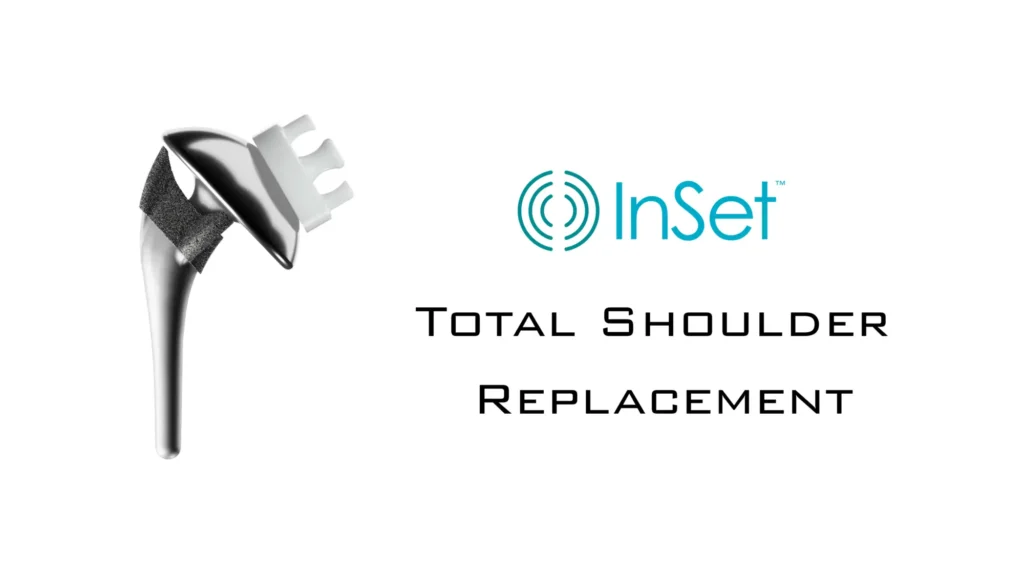
In cases of severe arthritis or joint damage, total shoulder replacement can provide significant relief and improve quality of life. The procedure replaces damaged bone with artificial components to improve joint function.
Recovery typically begins with a period of immobilization, followed by guided physical therapy to gradually regain range of motion and strength for daily activities.
Reverse Shoulder Replacement Surgery
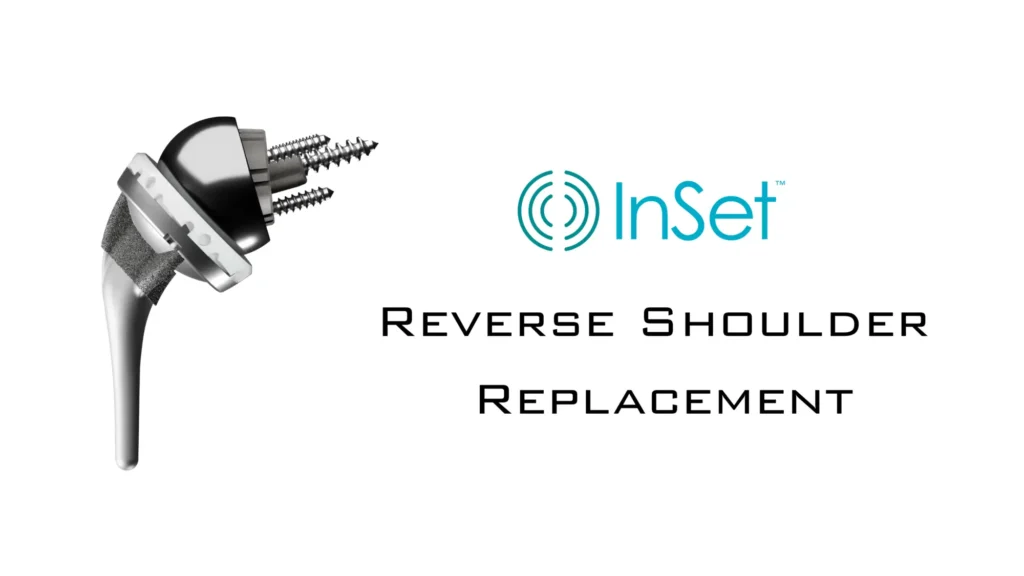
Ideal for patients with rotator cuff tears, reverse shoulder replacement shifts the movement responsibility to the deltoid muscle. This adaptation often restores lifting ability and functional reliability even when the traditional rotator cuff is damaged.
Many patients see excellent results and regain arm mobility post-surgery. A structured rehabilitation plan helps patients safely adapt to their new joint mechanics, rebuilding strength while protecting the joint during recovery.
Treatment & Recovery
Shoulder treatment is most successful when customized to a patient’s lifestyle and the specifics of their condition. Dr. Orvets takes a comprehensive, hands-on approach to guide each patient through recovery.
- Non-Surgical Treatments: Anti-inflammatories, corticosteroid injections, targeted physical therapy, activity modification, and supportive devices.
- Surgical Treatments: Minimally invasive arthroscopy and tendon repairs. Total and reverse shoulder replacements are offered when conservative care is not sufficient.
- Rehabilitation and Prevention: Recovery programs are designed to rebuild strength, restore flexibility, and prevent recurrence. Education on posture, movement, and conditioning helps patients avoid future injuries.
Shoulder pain doesn’t have to slow you down. With the right care, you can restore motion and get back to the activities you enjoy. Dr. Nathan Orvets helps Portland-area patients find long-lasting relief from shoulder conditions through personalized care, expert surgery, and full-spectrum rehabilitation.