
The shoulder is one of the most complex and mobile joints in the human body. This, however, comes with a vulnerability to wear and tear over time, and patients may wonder how to prevent arthritis in the shoulder. In this post, we’ll take a closer look at shoulder arthritis and explore potential strategies and lifestyle adjustments that may help preserve joint health.
Key Takeaways for Shoulder Arthritis Prevention
- Proper posture and movement patterns help reduce uneven stress on the shoulder joint, helping preserve cartilage over time.
- Strengthening the rotator cuff and scapular muscles, paired with maintaining flexibility, supports smooth, healthy joint motion.
- Modify repetitive or overhead activities, manage injuries promptly, and seek professional guidance to prevent long-term joint damage.
Understanding the Shoulder Joint and Arthritis Risk
The shoulder is primarily composed of two joints: the glenohumeral joint and the acromioclavicular (AC) joint.
The glenohumeral joint is a ball-and-socket mechanism. The head of the humerus (the ball) fits into the glenoid (the socket) of the shoulder blade. This design allows for the greatest range of motion of any joint in the body. Both the ball and the socket are covered with a smooth, slippery tissue called articular cartilage. This cartilage allows the bones to glide effortlessly against each other.
Shoulder arthritis occurs when the articular cartilage begins to wear away. As the cartilage thins, the protective space between the bones decreases. Eventually, bone rubs against bone, leading to shoulder pain, stiffness, and a loss of function. The most common form is osteoarthritis, often called “wear-and-tear” arthritis. Other types include rheumatoid arthritis (an autoimmune disease) and post-traumatic arthritis, which develops after an injury like a fracture or dislocation.
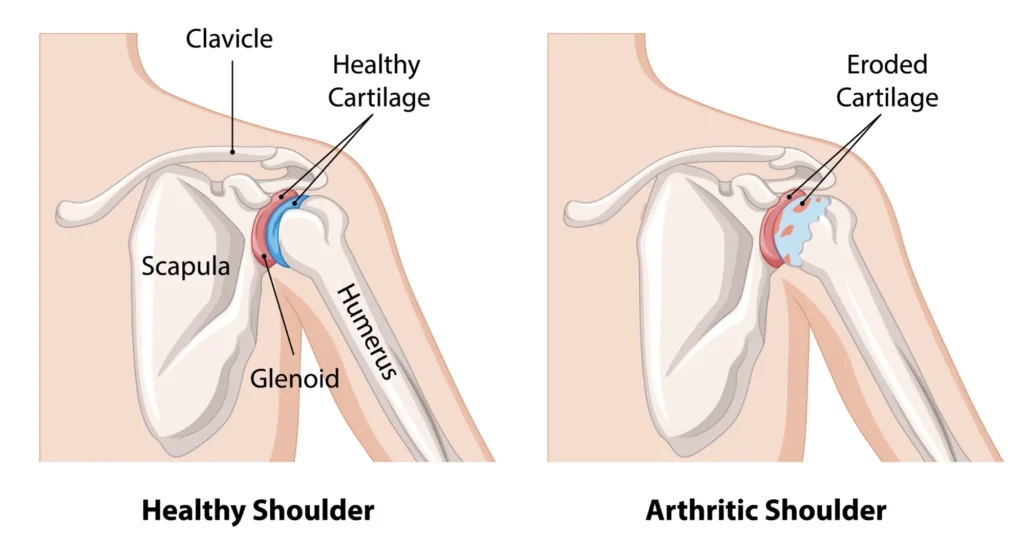
While age and genetics are non-modifiable risk factors, many contributing factors may be within your control. Arthritis may not be fully preventable, but proactive measures may help slow the progression of cartilage loss.
The Cornerstone of Prevention: Biomechanics and Posture
The way you move your body, your biomechanics, is an important factor in long-term joint preservation. Poor mechanics and chronic, incorrect posture place uneven stress on the shoulder joint. This can accelerate the wear of the articular cartilage.
Optimizing Daily Posture
Many individuals spend hours each day sitting at a desk. This sedentary lifestyle often leads to a rounded-shoulder posture. When your shoulders slump forward, the head of the humerus shifts out of its optimal position in the socket. This can pinch tendons and place excessive pressure on the front of the joint.
To maintain a healthy posture, try to keep your ears aligned over your shoulders. Your shoulder blades should be gently pulled back and down. This adjustment helps center the ball in the socket and ensures that the forces passing through the joint are distributed evenly across the cartilage surface.
Ergonomics in the Workplace
Your work environment can be a silent contributor to shoulder strain. Proper ergonomics can make a substantial difference.
- Monitor Height: Position your computer monitor so the top third of the screen is at eye level. This prevents you from constantly tilting your head down, which can strain the neck and pull the shoulders forward.
- Keyboard and Mouse Placement: Keep your keyboard and mouse close to your body. Your elbows should be bent at a 90-degree angle and rest comfortably at your sides. Reaching forward or out to the side for long periods creates unnecessary tension in the shoulder and upper back.
- Take Micro-Breaks: Set a timer to remind yourself to stand up and move every 30 to 60 minutes. Simple movements, like shoulder rolls or gentle arm circles, can restore blood flow and relieve static muscle tension.
Strategic Exercise: Strengthening and Flexibility
Exercise is not just about building muscle; it is also about creating a dynamic support system that stabilizes the joint during movement. The focus should be on balance, not just brute strength.
The Role of the Rotator Cuff
The rotator cuff is a group of four muscles and their tendons that surround the glenohumeral joint. They do not generate the powerful movements of the shoulder, but rather they act as dynamic stabilizers. They keep the head of the humerus centered in the socket as the larger, more powerful muscles (like the deltoid) move the arm.
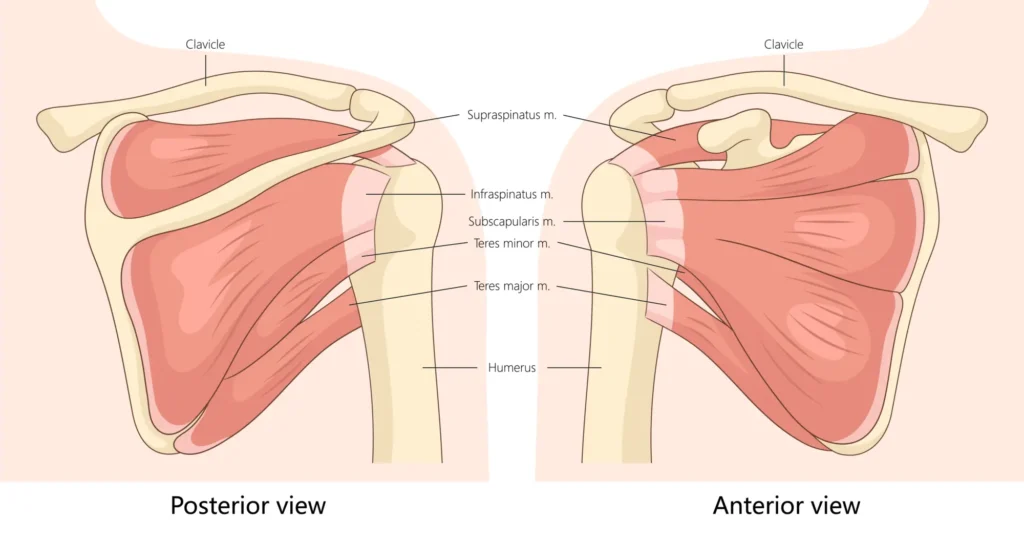
If the rotator cuff is weak or fatigued, the head of the humerus can migrate slightly upward during overhead activities. This abnormal movement can cause impingement and lead to uneven wear on the cartilage.
Key Strengthening Exercises
Focus on exercises that target the external rotators and the scapular stabilizers. Examples may include:
- External Rotation with Resistance Band: Hold a resistance band with both hands, elbows bent at 90 degrees with your elbow tucked into your sides. Slowly pull the band apart, rotating your forearms outward.
- Scapular Squeezes (Rows): Use a light resistance band or light dumbbells. Perform a rowing motion, focusing on squeezing your shoulder blades together in the back. This strengthens the muscles that anchor the shoulder blade.
- Wall Slides: Stand with your back against a wall, elbows bent, and forearms resting against the wall. Slowly slide your arms up the wall, keeping your elbows and wrists in contact with the surface as much as possible.
Maintaining Flexibility and Range of Motion
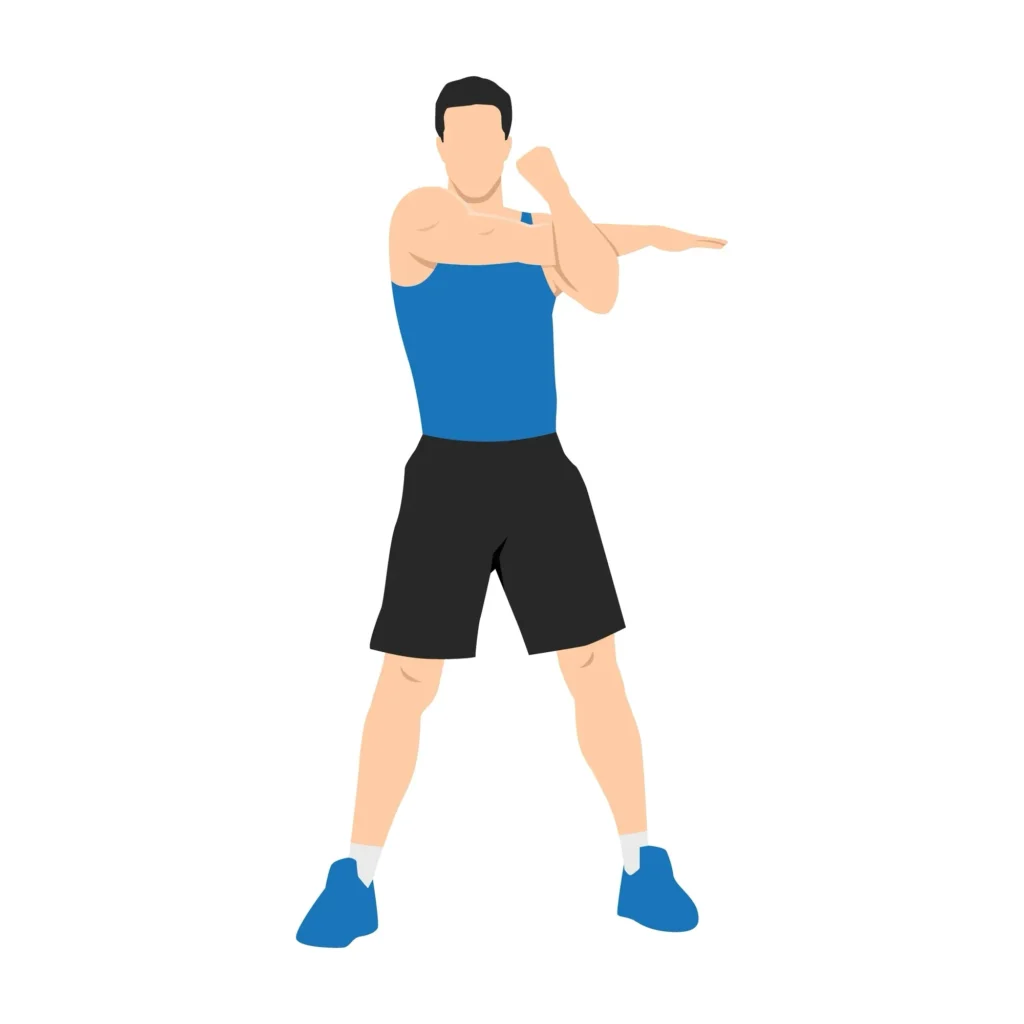
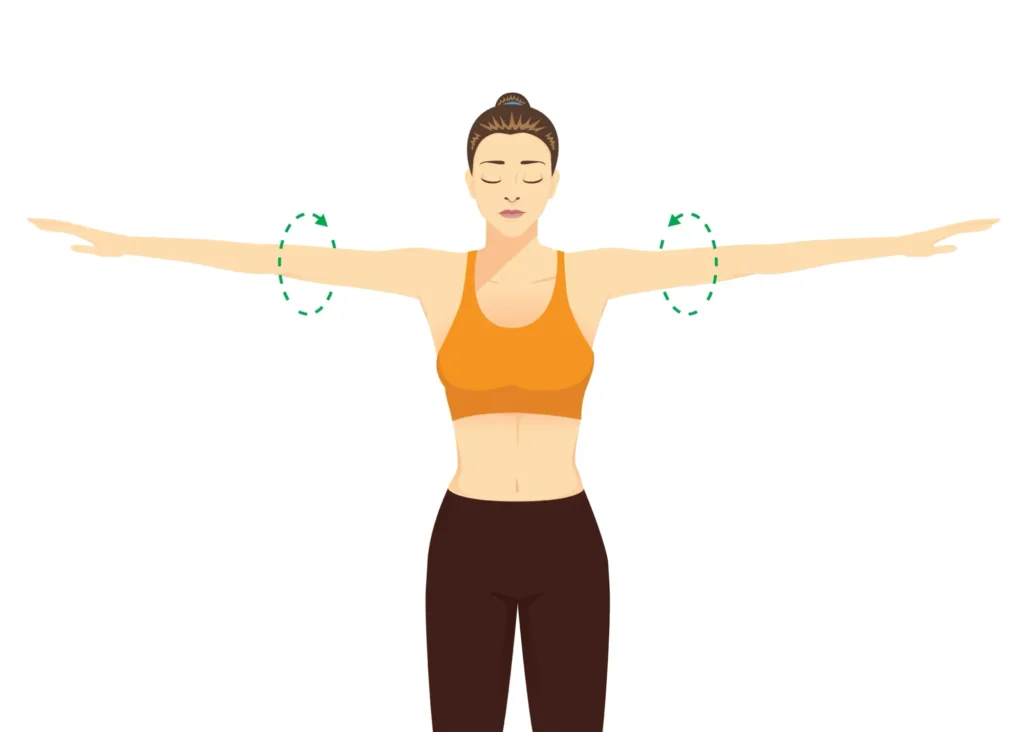
Stiffness in the shoulder joint may also contribute to arthritis risk. When the joint capsule tightens, it restricts the natural glide and roll of the joint surfaces. This can force the joint to move in an abnormal pattern, leading to increased friction and wear. Regular, gentle stretching aims to maintain a full, pain-free range of motion.
- Cross-Body Stretch: Gently pull one arm across your chest, supporting it with the other arm above the elbow. You should feel a stretch in the back of the shoulder. Hold this for 30 seconds.
- Shoulder circles: bring your arms out to your sides with straight elbows and make small circles going forward. You may gradually increase the diameter of the circles as your shoulders loosen up. Reverse the direction of the circles and repeat.
- Sleeper Stretch: Lie on your side with the shoulder to be stretched underneath you. Bend the elbow to 90 degrees and use your opposite hand to gently push your forearm down toward the floor. This should be a controlled, gentle stretch.
Activity Modification and Injury Management
The history of your shoulder use and any past injuries are major predictors of future arthritis risk. Modifying high-risk activities and managing injuries correctly are key steps in how to prevent arthritis in the shoulder.
Avoiding Overuse and Repetitive Strain
Repetitive, high-force movements, particularly those performed overhead, can lead to micro-trauma in the joint. Over time, this cumulative stress can accelerate cartilage wear. This is often seen in athletes like baseball pitchers, tennis players, and weightlifters, but also in certain occupations.
- Vary Your Activities: If your job or hobby requires repetitive motion, try to alternate tasks or take frequent breaks to use different muscle groups.
- Use Proper Technique: Whether you are lifting weights, throwing a ball, or using a tool, carefully consider your technique. Incorrect form can place abnormal stress on the joint.
- Listen to Your Body: Pain is a signal. If an activity consistently causes shoulder pain, it is a sign that the joint is being overloaded.
Summary
Reducing the risk of shoulder arthritis is not a single action but a continuous commitment to joint health. It involves an approach that integrates mindful movement, targeted strengthening, a healthy lifestyle, and, if symptoms arise, professional evaluation. By focusing on proper biomechanics, strengthening the stabilizing muscles of the rotator cuff and scapula, and maintaining systemic health, you may help reduce the mechanical and inflammatory stresses on your shoulder joints.
Frequently Asked Questions
Is it possible to completely prevent shoulder arthritis?
While it is impossible to guarantee complete prevention, especially given factors like genetics and age, you may take steps to help reduce your risk. Prevention focuses on managing the modifiable risk factors. This includes maintaining proper joint mechanics, strengthening supporting muscles, and avoiding high-impact injuries.
Can I still lift weights if I am trying to prevent shoulder arthritis?
Yes, most individuals may continue to lift weights, as strength training supports bone and muscle health. However, it is important to prioritize form over weight. Most specialists advise against lifting weights that force you to compromise your technique. Focus on controlled movements, full range of motion, and ensuring you are adequately warmed up and engaged before heavy lifting.
I have a desk job. What is the best way to modify my workspace?
Ensure your shoulder is in a neutral, relaxed position. Your keyboard and mouse should be close enough that your elbows are bent at 90 degrees and your upper arms hang naturally at your sides. Avoid reaching forward or shrugging your shoulders up toward your ears. Use a chair with good lumbar support. It may also help to incorporate a standing desk or take frequent short breaks.