
Lifting weights can be one of the best things you do for your body. It builds strength, supports joint health, and helps maintain bone density as you age. However, elbow problems from lifting weights are a common reason gym-goers seek orthopedic evaluation. The elbow joint plays a role in nearly every upper-body exercise, and the repetitive stress of resistance training can place significant demands on the tendons, ligaments, and nerves that surround it. Understanding the possible causes, risk factors, and treatment options may help you take the right steps toward recovery.
Key Takeaways
- Elbow problems from lifting weights often involve the tendons, nerves, or bursae surrounding the joint and may develop gradually over time.
- Common conditions include lateral epicondylitis (tennis elbow), medial epicondylitis (golfer’s elbow), triceps tendinitis, and ulnar nerve irritation.
- Poor lifting form, rapid increases in training volume, and insufficient recovery time are among the most frequently cited risk factors.
- Many elbow injuries respond well to conservative treatments such as rest, physical therapy, and activity modification.
Understanding the Elbow Joint
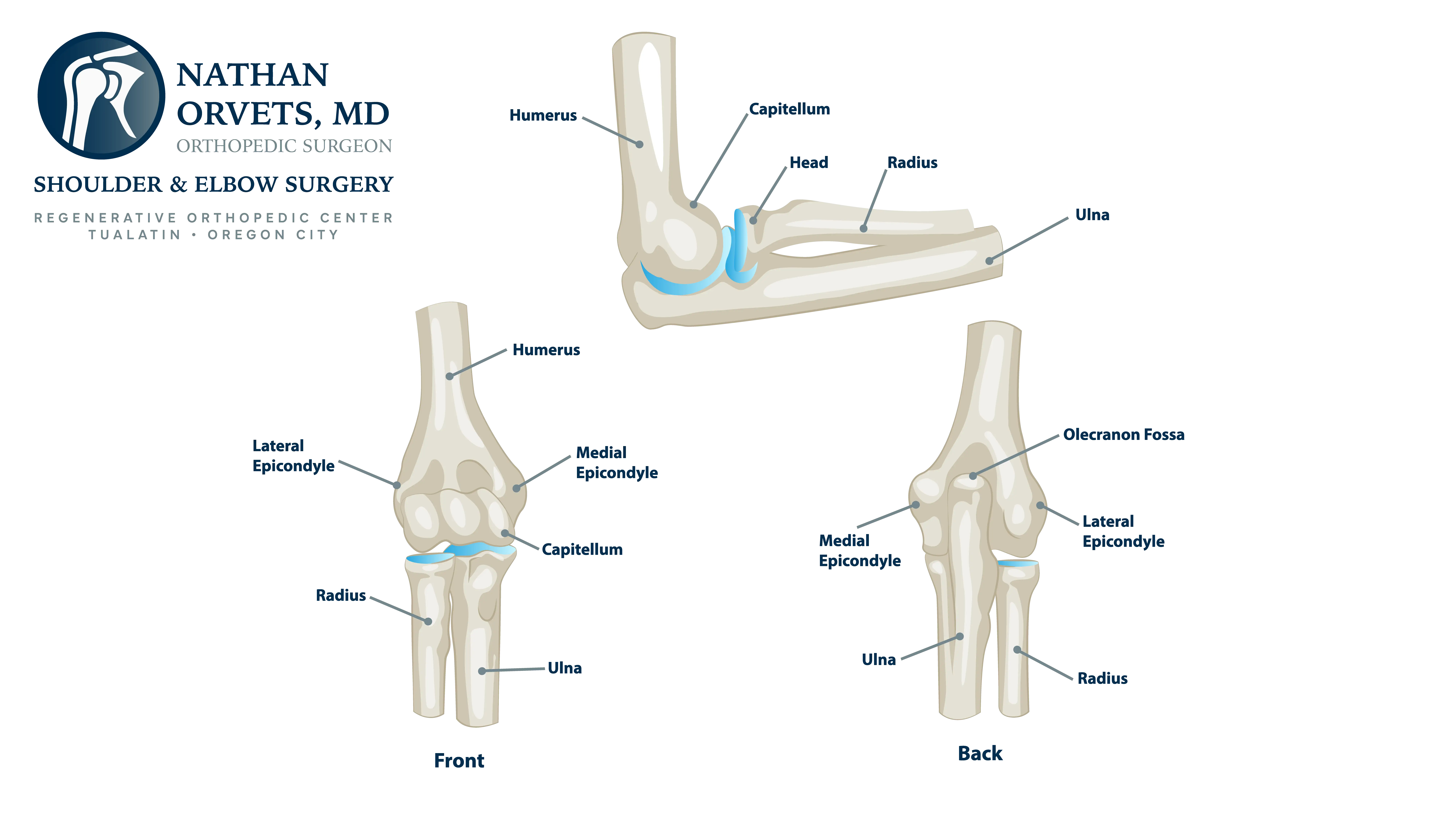
Before diving into specific conditions, it helps to understand the basic anatomy of the elbow. This joint connects three bones: the humerus in the upper arm, and the radius and ulna in the forearm. It functions primarily as a hinge, allowing you to bend and straighten your arm, but it also permits rotation of the forearm.
Surrounding the joint are tendons that attach muscles to bone, ligaments that stabilize the joint, and nerves that run through narrow channels. Each of these structures can become irritated or injured during repetitive lifting. The elbow’s relatively compact design means there is not a lot of room for swelling or inflammation before symptoms start to appear.
Common Elbow Conditions Related to Weight Lifting
Lateral Epicondylitis (Tennis Elbow)
Despite its name, tennis elbow does not exclusively affect tennis players. This condition involves irritation or microtearing of the tendons on the outer side of the elbow. Lifters who perform a lot of gripping, pulling, or wrist extension movements may be particularly susceptible. Exercises like rows, pull-ups, and deadlifts can place considerable strain on these tendons over time.
Tennis elbow symptoms typically include a burning or aching sensation on the outside of the elbow. You might notice it most when gripping a barbell or dumbbell, or even during simple tasks like turning a doorknob. The pain tends to come on gradually rather than all at once.
Medial Epicondylitis (Golfer’s Elbow)
Golfer’s elbow affects the tendons on the inner side of the elbow. It is common among lifters who perform heavy curls, chin-ups, or any movement requiring forceful wrist flexion and forearm pronation. The repeated stress on the wrist flexor muscles can lead to tendon degeneration at the medial epicondyle.
Pain in the inner elbow is a common symptom. It may radiate down the forearm and often worsens with gripping activities. Some people also experience stiffness in the elbow or weakness in the hand and wrist.
Triceps Tendinitis
The triceps tendon attaches the large muscle on the back of your upper arm to the olecranon, the bony point of the elbow. Heavy pressing movements like bench press, overhead press, and dips can overload this tendon. Triceps tendinitis may cause pain at the back of the elbow, especially during the locking-out phase of pressing exercises.
This condition is often associated with high training volume or sudden increases in the weight being lifted. Rest and targeted rehabilitation exercises are generally the first steps in management.
Distal Biceps Tendon Strain or Rupture
The distal biceps tendon connects the biceps muscle to the radius bone near the elbow. Heavy supination and elbow flexion movements, particularly bicep curls and chin-ups, place significant load on this tendon. Over time, repetitive strain may lead to partial tearing or, in more traumatic scenarios, a complete rupture.
A partial strain might present as a deep, aching pain in the front of the elbow that worsens with lifting. A complete rupture, on the other hand, often involves a sudden pop followed by bruising, swelling, and noticeable weakness when trying to rotate the forearm or bend the elbow. Complete ruptures may be treated with surgical repair, particularly in active individuals who want to restore full strength and function.
Ulnar Nerve Irritation (Cubital Tunnel Syndrome)
The ulnar nerve passes through a narrow space on the inner side of the elbow called the cubital tunnel. Repetitive elbow flexion, direct pressure on the elbow, or inflammation from nearby tendons can compress or irritate this nerve. Lifters who spend a lot of time in deep elbow flexion positions, such as during preacher curls or skull crushers, may be at higher risk.
Symptoms often include tingling or numbness in the ring and pinky fingers. Some people describe an electric shock sensation when they bump the inside of the elbow. In more advanced cases, you might notice weakness in your grip or difficulty with fine motor tasks.
Olecranon Bursitis
The olecranon bursa is a small, fluid-filled sac that sits over the bony tip of the elbow. Repeated pressure or friction in this area can cause the bursa to become inflamed and swollen. Lifters who rest their elbows on hard surfaces, such as benches or pads, may develop this condition over time.
The most obvious sign is a visible swelling at the back of the elbow that may feel squishy or warm. It may or may not be painful, depending on the degree of inflammation. Many cases respond to conservative care, though other interventions may be necessary if the swelling persists or shows signs of infection.
Risk Factors for Elbow Problems in Lifters
Certain habits and training patterns appear to increase the likelihood of developing elbow problems from lifting weights. While some of these risk factors are within your control, others may relate to your individual anatomy or training history:
- Rapid increases in training volume or intensity without adequate adaptation time
- Poor exercise form, particularly during pressing, pulling, and curling movements
- Insufficient warm-up before heavy lifting sessions
- Neglecting rest and recovery between workouts that stress similar muscle groups
- Grip-intensive exercises performed at high frequency without variation
- A previous history of elbow injuries or chronic tendon issues
Addressing these factors proactively may help reduce the risk of developing a nagging or serious elbow condition. Even small adjustments to your program can make a meaningful difference over time.
When to See a Doctor
Not every ache or twinge requires a trip to the doctor. However, some signs suggest that your elbow discomfort may be more than just routine soreness and could benefit from professional evaluation.
Consider scheduling an appointment with an experienced elbow specialist if your pain lasts more than a couple of weeks despite rest and activity modification. Sharp pain during specific movements, swelling that does not go down, numbness or tingling in the fingers, and a noticeable decrease in grip strength are all signs that something more significant may be going on. A sudden pop followed by pain, bruising, or weakness also may warrant evaluation.
Getting an accurate diagnosis early may help guide appropriate treatment and potentially prevent a minor issue from becoming a larger problem. Your doctor can use physical examination, imaging, and other diagnostic tools to determine what is causing your symptoms and recommend a tailored treatment plan.
Treatment Options
Conservative Approaches
Relative rest is often the starting point. This does not necessarily mean you have to stop training altogether. Instead, it may involve modifying exercises that aggravate your symptoms and temporarily reducing the load or volume on affected movements. Ice, anti-inflammatory medications, and bracing or compression sleeves can also help manage pain and swelling in the short term.
Physical therapy is frequently a treatment component for lifting-related elbow injuries. A therapist can guide you through targeted stretching and strengthening exercises that address the underlying tissue. Your therapist may also evaluate your lifting form and suggest modifications to reduce stress on the affected area.
Advanced Interventions
If conservative measures do not provide sufficient relief after several weeks or months, your doctor may recommend other options. Platelet-rich plasma (PRP) injections represent a regenerative medicine option that may be considered for select patients.
Surgical intervention is typically reserved for cases that have not responded to a thorough course of conservative treatment. Procedures may range from minimally invasive arthroscopic techniques to open surgery, depending on the condition. Recovery timelines vary, but most patients can expect a structured rehabilitation program following any procedure.
Summary
Elbow problems from lifting weights are a common challenge for people who train regularly. Whether it is the gradual onset of tendon pain or the sudden snap of a more acute injury, these issues can affect your ability to train and perform daily activities. Understanding the potential causes, recognizing the warning signs, and knowing when to seek help are all important parts of managing your elbow health.
Frequently Asked Questions
Should I stop lifting weights if my elbow hurts?
Not necessarily. Many elbow conditions allow you to continue training with modifications. Reducing the weight, avoiding specific aggravating exercises, and adjusting your grip or technique may help you stay active while the injury heals. However, if your pain is sharp, worsening, or accompanied by swelling or numbness, it is a good idea to rest the joint and consult an elbow specialist.
Can elbow sleeves or braces help prevent injury?
Elbow sleeves may provide compression and warmth that could help support the joint during training. Some lifters find them beneficial for managing mild discomfort or providing a sense of stability. However, sleeves are generally not a substitute for proper form, progressive programming, and adequate recovery.
When should I see a specialist for elbow pain from lifting?
If your elbow pain persists despite rest and basic self-care, it may be worth seeing an elbow specialist. Other reasons to seek evaluation include pain that disrupts your sleep, numbness or tingling in the fingers, visible swelling that does not resolve, a sudden pop or tearing sensation during a lift, or a noticeable loss of strength. Early evaluation can help identify the problem and get you started on the right treatment path.