
A strained shoulder is a common musculoskeletal injury frequently seen in orthopedic practice. It may develop after a weekend sports game, an intense workout, or even a routine overhead movement. Symptoms can range from mild discomfort to more noticeable limitations in daily activities. In many cases, shoulder strains improve with conservative treatment, particularly when addressed early.
In this post, we will walk through what a strained shoulder involves, the most common causes, how it is typically diagnosed, and the range of treatment options that may help you recover. We will also cover prevention strategies so you can reduce your risk of developing a shoulder strain.
Key Takeaways
- A strained shoulder involves overstretching or small tears in the muscles or tendons around the shoulder joint and may range from mild to severe.
- Common causes include overuse during sports or repetitive tasks, sudden injuries from falls or lifting, and age-related changes in soft tissue.
- Symptoms often include pain, stiffness, swelling, and reduced range of motion, though severity can vary from person to person.
- Most shoulder strains tend to improve with conservative treatment such as rest, ice, physical therapy, and over-the-counter medications.
What Is a Strained Shoulder?
A shoulder strain occurs when muscle fibers or tendons in the shoulder area are stretched or torn. The severity can vary quite a bit. A mild strain may involve microscopic injury to muscle or tendon fibers without significant structural disruption. A moderate strain might include partial tearing. In more severe cases, more substantial tearing can occur, though complete ruptures are less typical in straightforward strains.
It is worth noting the difference between a strain and a sprain, since people often use these terms interchangeably. A strain affects muscles or tendons, while a sprain affects ligaments. Both can occur in the shoulder, and sometimes both happen at the same time. Either way, the treatment approach often overlaps.
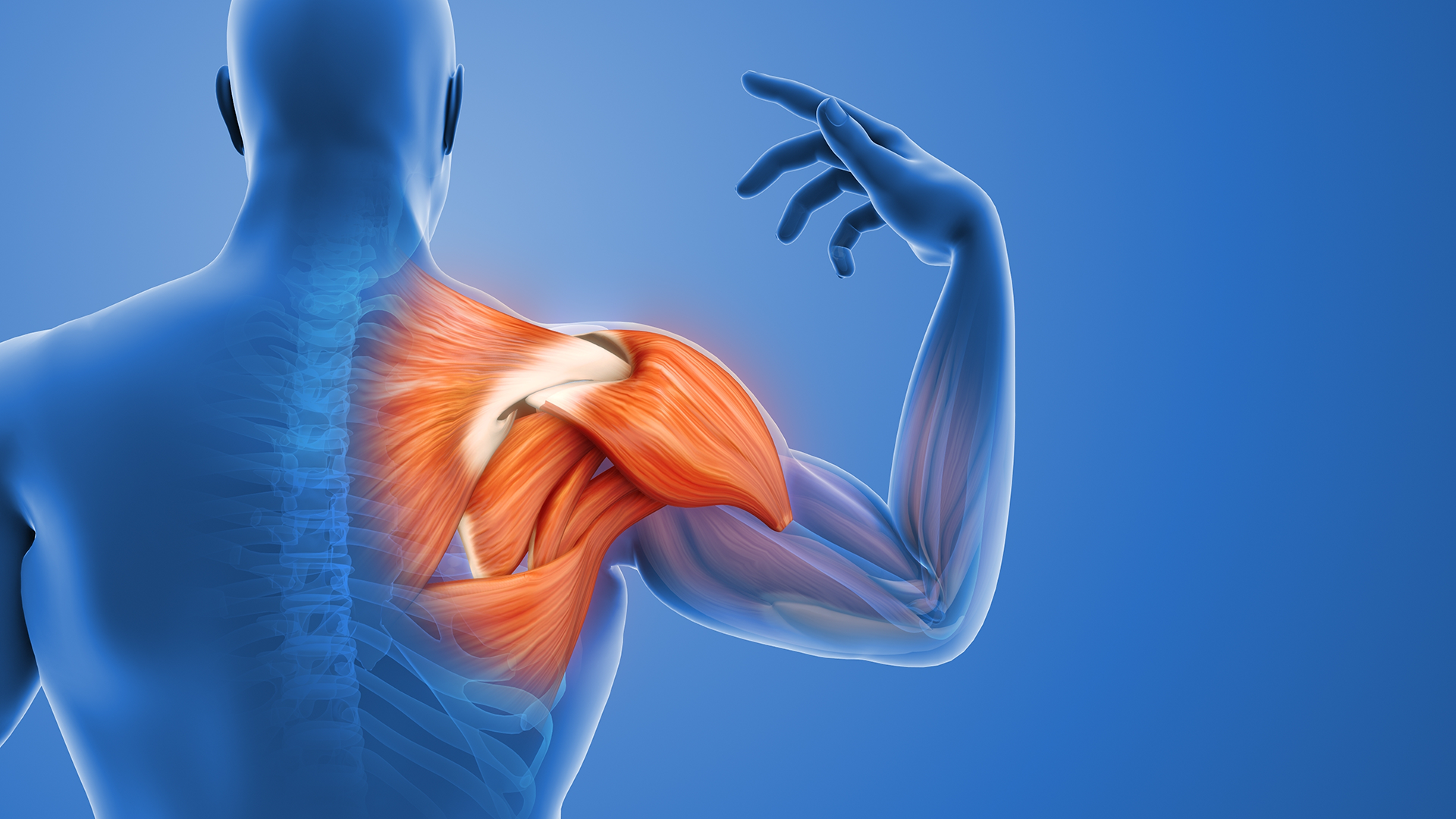
The shoulder relies on a group of four muscles and their tendons, collectively known as the rotator cuff, along with surrounding muscles such as the deltoid, pectoralis, and trapezius. Any of these structures may be involved in a shoulder strain. Because the shoulder allows for an extensive range of motion, even routine movements can occasionally place these tissues under excessive stress, particularly when fatigue, poor mechanics, or sudden force are involved.
Common Causes of a Strained Shoulder
Understanding why shoulder strains happen can be helpful in both treatment and prevention. While every patient’s situation is unique, several causes tend to come up more frequently in clinical practice.
Overuse and Repetitive Motion
Repetitive overhead movements are among the most common contributors to shoulder strains. Athletes who swim, throw, or serve a tennis ball repeatedly may place stress on the shoulder over time. The same applies to workers in trades like painting, carpentry, or warehousing. When the muscles do not get adequate rest, small amounts of damage can accumulate and eventually lead to noticeable pain.
Acute Injuries
A sudden force can also cause a shoulder strain. This might happen during a fall, a car accident, or an awkward lift. Trying to catch a heavy object or bracing yourself during a collision can place abrupt stress on the shoulder muscles and tendons. These acute strains often feel more intense right away and may be accompanied by swelling.
Age-Related Changes
As we age, the tendons and muscles around the shoulder can gradually lose some of their elasticity and blood supply. This can make them more vulnerable to strain, even with activities that previously felt effortless. Degenerative changes do not mean injury is inevitable, but they can lower the threshold for strain and slow the healing process.
Poor Posture and Muscle Imbalances
Spending long hours hunched over a desk or looking down at a screen can contribute to muscle imbalances around the shoulder and upper back. When certain muscles become tight and others become weak, the shoulder may not track properly during movement. This imbalance can increase the risk of strain over time.
Recognizing the Symptoms
The symptoms of a strained shoulder can differ depending on the severity of the injury, which tissues are involved, and the individual’s overall health. However, there are several common signs that tend to show up across most cases:
- Pain during movement, especially when reaching overhead, behind the back, or across the body
- A dull ache at rest that may intensify with activity
- Swelling or tenderness around the front, side, or back of the shoulder
- Stiffness that limits your range of motion
- Muscle weakness, particularly when lifting or carrying objects
- A sensation of warmth around the affected area
In milder cases, you might only notice discomfort during specific movements. More significant strains can make it difficult to sleep on the affected side or perform basic tasks like getting dressed.
How a Strained Shoulder Is Diagnosed
Getting an accurate diagnosis is an important first step toward effective treatment. During your appointment, your doctor will likely begin with a conversation about your symptoms, how the injury occurred, and your activity level. This history helps narrow down the possible causes.
A physical examination typically follows. Your doctor may ask you to move your arm in different directions, apply gentle resistance, and identify where the pain is most concentrated. Specific tests can help determine which muscles or tendons may be involved.
In some cases, imaging studies may be recommended. X-rays can rule out fractures or bone-related issues, while magnetic resonance imaging (MRI) provides a detailed look at the soft tissues. An MRI can help identify partial tears or evaluate for conditions such as rotator cuff tears or labral injuries that may present with similar symptoms.
Treatment Options
The majority of shoulder strains tend to respond favorably to nonsurgical treatment, particularly when the injury is addressed early. Your treatment plan will likely depend on the severity of the strain, your activity goals, and how your body responds to initial interventions. An experienced shoulder specialist can help guide an appropriate treatment path.
Rest and Activity Modification
One of the first recommendations for a strained shoulder is often rest. This does not necessarily mean complete immobilization, but rather a break from the activities that caused or aggravate the injury. Modifying your routine to avoid overhead motions, heavy lifting, or repetitive tasks can give the tissues time to heal. In some cases, a sling may be recommended for short-term support.
Ice and Heat Therapy
Applying ice to the shoulder after a strain may help reduce swelling and numb the area. After the initial inflammatory phase passes, alternating with heat can help relax tight muscles and improve blood flow to the area. Many patients find that a combination of both provides the most relief.
Over-the-Counter Medications
Nonsteroidal anti-inflammatory drugs (NSAIDs), such as ibuprofen or naproxen, are commonly used to manage pain and inflammation from a shoulder strain. These medications can be helpful in the short term, though it is important to follow dosage guidelines and consult your doctor if you plan to use them for more than a few days.
Physical Therapy
Physical therapy may be a component of shoulder strain recovery. A therapist can design a personalized program that may include stretching to restore flexibility, strengthening exercises to support the joint, and manual techniques to address tightness. Therapy typically progresses gradually, starting with gentle range-of-motion exercises and building toward more functional movements.
Injections
If pain is significant and not adequately controlled with oral medications, corticosteroid injections may be considered. These injections may help reduce inflammation and provide temporary symptom relief, which can make participation in physical therapy more comfortable. They are typically used selectively, as repeated corticosteroid injections may carry potential risks.
Surgical Intervention
Surgery for a shoulder strain is relatively uncommon. It is typically reserved for cases where the tissue has sustained a significant tear that does not respond to conservative measures. Arthroscopic procedures, which use small incisions and a camera, may be an option depending on the nature of the injury. Your shoulder specialist can help determine whether surgical intervention may be appropriate based on your diagnosis, symptoms, and response to conservative treatment.
What to Expect During Recovery
Recovery timelines for a strained shoulder can vary based on the severity of the injury and individual health factors. Mild strains may improve within one to two weeks with rest and basic self-care. Moderate strains might take several weeks to a couple of months. More severe strains that involve significant tearing may require a longer recovery period.
Throughout recovery, regular communication with your doctor can help ensure your progress stays on track. If symptoms plateau or worsen, adjustments to your treatment plan can be made accordingly.
Preventing a Strained Shoulder
While not every strain can be prevented, there are several strategies that may help lower your risk:
- Warm up before physical activity. A few minutes of light movement and dynamic stretching can help prepare your muscles and tendons for more demanding tasks.
- Strengthen the muscles around your shoulder. Exercises targeting the rotator cuff, deltoid, and upper back can improve stability and resilience.
- Practice good posture. Keep your shoulders relaxed and avoid hunching forward, especially during prolonged desk work.
- Use proper form when lifting. Keep heavy objects close to your body and avoid jerky or twisting motions.
- Take breaks during repetitive tasks. If your work or hobby involves repeated overhead motions, periodic rest can help prevent cumulative damage.
- Listen to your body. Pain is often a signal that something is not right.
Summary
A strained shoulder is a common yet treatable condition that affects people of all ages and activity levels. Whether it results from sports, repetitive tasks, an acute injury, or gradual wear and tear, understanding the nature of the problem is the first step toward recovery. Most shoulder strains tend to improve with conservative measures such as rest, ice, physical therapy, and medication. Prevention strategies, including proper warm-ups, strengthening exercises, and ergonomic adjustments, can help reduce the likelihood of recurrence.
Frequently Asked Questions
Can I still exercise with a strained shoulder?
In many cases, you may be able to continue some forms of exercise, as long as they do not worsen your symptoms. Low-impact activities like walking or stationary cycling are often well-tolerated. However, it is generally advisable to avoid overhead movements, heavy lifting, or any exercise that causes shoulder pain until you have been cleared by your shoulder specialist.
What is the difference between a strained shoulder and a rotator cuff tear?
A shoulder strain generally refers to overstretching or minor tearing of the muscles or tendons. A rotator cuff tear is a more specific injury involving damage to one or more of the four rotator cuff tendons. The symptoms can overlap significantly, which is why a thorough physical exam and sometimes imaging are helpful in distinguishing between the two.
When should I be concerned about a shoulder strain?
Consider seeking medical attention if your shoulder pain is severe, does not improve with home care, is accompanied by numbness or tingling, or if you experience significant weakness, instability, or loss of function.