
Elbow pain when lifting a cup is a symptom that many people experience, yet it often signals an underlying condition requiring attention. This seemingly simple movement involves a complex interplay of muscles, tendons, and joints working together. When any of these structures become irritated or damaged, even the lightest tasks can become uncomfortable or painful. Understanding what causes elbow pain when lifting a cup and recognizing the associated symptoms can help you seek appropriate treatment and return to normal activities.
Key Takeaways
- Elbow pain when lifting lightweight objects like cups may indicate tendon inflammation or damage, most commonly tennis elbow or golfer’s elbow.
- The pain occurs because lifting requires wrist and forearm muscles to activate, putting stress on tendons that attach near the elbow.
- Both nonsurgical and surgical treatment options are available depending on severity, with many cases responding well to conservative care.
Why Does Lifting a Cup Cause Elbow Pain?
The act of lifting a cup may seem effortless, but it requires coordinated effort from several muscle groups in your forearm. These muscles connect to tendons that attach near the elbow joint, and when you grip an object and lift it, these tendons experience tension.
Repetitive gripping, lifting, or twisting motions can lead to microscopic damage in the tendons over time. This damage often results in inflammation and pain, particularly when performing activities that involve wrist extension or flexion. Even lifting something as light as a coffee cup can aggravate irritated tendons, making this a telltale sign of elbow tendon problems.
Common Conditions Associated with This Symptom
Several elbow conditions can cause pain when lifting a cup. Understanding the most common causes can help you recognize your symptoms and seek appropriate care.
Tennis Elbow (Lateral Epicondylitis)
Tennis elbow is a frequent cause of elbow pain when lifting a cup. Despite its name, this condition affects many people who don’t play tennis. It develops when the tendons connecting forearm muscles to the lateral epicondyle, the bony prominence on the outer elbow, become damaged or inflamed.
The repetitive wrist extension required for activities like typing, using tools, or gripping objects can strain these tendons. When you lift a cup, your wrist extensors activate to stabilize your hand and wrist, placing stress on already irritated tendons. This can produce sharp or aching pain on the outside of the elbow.
Tennis elbow symptoms often start gradually. You might notice mild discomfort that worsens over weeks or months. Activities involving gripping, twisting, or lifting can intensify symptoms. Many patients report that their grip strength diminishes, making it difficult to hold even lightweight objects securely.
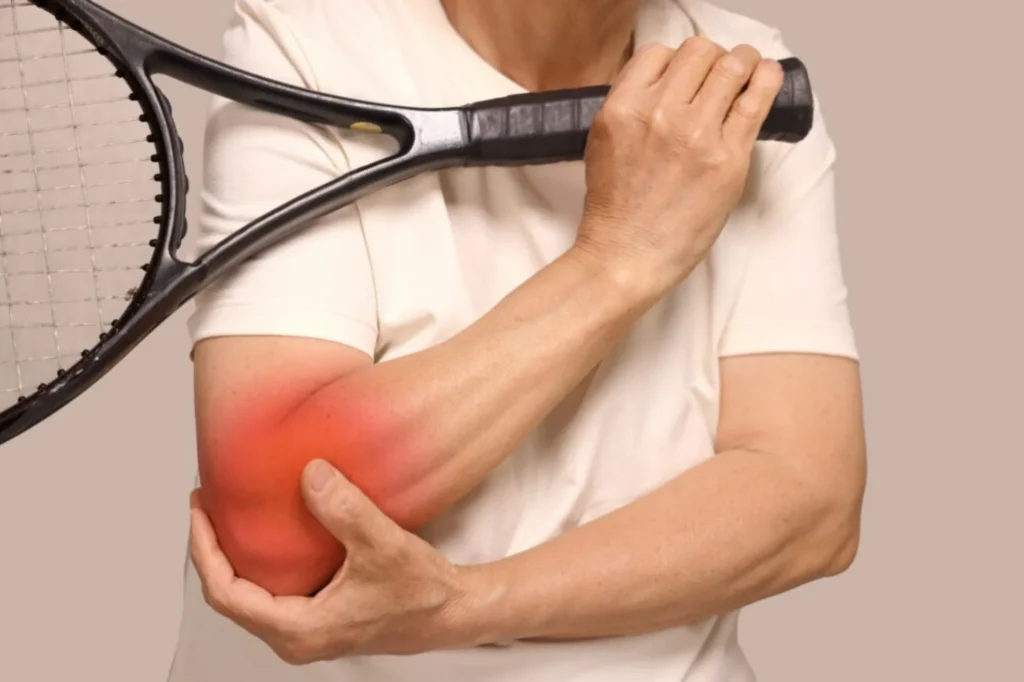
Golfer’s Elbow (Medial Epicondylitis)
Golfer’s elbow affects the tendons on the inner side of the elbow, where forearm flexor muscles attach to the medial epicondyle. While golfers can develop this condition, it frequently occurs in people who perform repetitive hand and wrist movements in their work or hobbies.
Lifting a cup requires wrist flexion and grip strength, both of which can aggravate golfer’s elbow. The pain typically manifests in the inner elbow and may radiate down the forearm. Weakness in grip and wrist movements is common, and you might experience stiffness or tenderness when touching the affected area.

Elbow Bursitis
Bursitis occurs when the small fluid-filled sacs, called bursae, that cushion the elbow joint become inflamed. While bursitis more commonly causes swelling and tenderness at the back of the elbow, it may also produce pain during movements like lifting. The inflammation can result from repetitive pressure, injury, or infection. You might notice visible swelling, warmth, and redness around the elbow.
Arthritis
Arthritis in the elbow joint can cause pain during various movements, including lifting lightweight objects. Osteoarthritis develops when the protective cartilage cushioning the joint wears down over time. Rheumatoid arthritis, an autoimmune condition, can also affect the elbow. This type causes the immune system to attack joint tissues, resulting in swelling, pain, and potential joint damage.
Nerve Compression
Nerve compression syndromes, such as radial tunnel syndrome or cubital tunnel syndrome, can produce elbow pain and weakness. These conditions occur when nerves running through or near the elbow become compressed or irritated.
Radial tunnel syndrome affects the radial nerve as it passes through the forearm. This can cause pain in the outer elbow and forearm, along with weakness in wrist and finger extension. Cubital tunnel syndrome involves compression of the ulnar nerve at the inner elbow, sometimes causing tingling or numbness in the ring and pinky fingers.
Recognizing Associated Symptoms
Elbow pain when lifting a cup rarely occurs in isolation. Oftentimes, other symptoms accompany it. Weakened grip strength is a hallmark symptom of tendon problems like tennis elbow and golfer’s elbow. You might find it challenging to turn doorknobs, shake hands firmly, or carry grocery bags. This weakness develops because the damaged tendons cannot effectively support muscle function.
Tenderness to touch over the affected area is another common finding. Pressing on the lateral or medial epicondyle may reproduce your pain. Stiffness, particularly in the morning or after periods of rest, can indicate inflammation or arthritis.
Radiating pain that extends from the elbow to the forearm or upper arm suggests that the condition is affecting a broader area. This may occur with more severe tendon damage or nerve involvement.
Diagnostic Approach
Diagnosing the cause of elbow pain when lifting a cup typically begins with a comprehensive medical history and physical examination. Your doctor will ask about the onset, location, and nature of your pain, as well as any activities that worsen or relieve symptoms.
During the physical examination, your doctor will assess your elbow’s range of motion, strength, and areas of tenderness. Specific tests can help identify which structures are affected. In certain situations, imaging tests may be ordered. X-rays can help rule out arthritis, bone spurs, or fractures. Magnetic resonance imaging provides detailed images of tendons, ligaments, muscles, and other soft tissues.
Treatment Options for Elbow Pain
Treatment for elbow pain when lifting a cup depends on the underlying cause, severity of symptoms, and individual factors. Many cases may respond well to nonsurgical approaches, particularly when treatment begins early. An experienced elbow specialist can evaluate the condition and help recommend an appropriate treatment path for you.
Nonsurgical Treatments
Rest and activity modification form the foundation of conservative treatment. Avoiding or limiting activities that aggravate symptoms allows tendons to heal. This doesn’t usually mean complete immobilization, but rather a strategic reduction of painful movements.
Ice therapy can help reduce pain and inflammation, particularly in the acute phase.
Over-the-counter anti-inflammatory medications, such as ibuprofen or naproxen, may help manage pain and reduce inflammation. Additionally, bracing or strapping may be recommended. Sometimes, injections can be beneficial in reducing inflammation or promoting tendon healing.
Physical therapy is often a cornerstone of treatment. A physical therapist can design a program to strengthen forearm muscles, improve flexibility, and correct movement patterns that contribute to tendon stress.
Surgical Treatment
Surgery is generally reserved for cases that don’t improve with nonsurgical treatment or for severe injuries. The specific procedure depends on the underlying condition, but many can be performed using arthroscopy, a minimally invasive technique.
Summary
Elbow pain when lifting a cup is a common symptom that can impact daily life. This discomfort typically results from tendon inflammation or damage, most often associated with tennis elbow or golfer’s elbow, though other conditions like arthritis, bursitis, and nerve compression can also be responsible. Treatment options range from conservative approaches like rest, ice, medications, and physical therapy to surgical intervention for persistent cases.
Frequently Asked Questions
Why does my elbow hurt when I lift something light?
Elbow pain when lifting lightweight objects may indicate tendon inflammation or damage. Conditions like tennis elbow and golfer’s elbow involve irritated tendons that become painful even with minimal stress. The muscles and tendons required for gripping and lifting can aggravate these conditions.
How can I tell if I have tennis elbow or golfer’s elbow?
The location of your pain often distinguishes these conditions. Tennis elbow causes pain on the outer elbow, while golfer’s elbow produces pain on the inner elbow. An elbow specialist can perform specific physical tests to determine which tendons are affected and confirm the diagnosis.
What activities should I avoid if I have elbow pain?
It is generally recommended to avoid or modify activities that worsen your symptoms. This often includes repetitive gripping, lifting, twisting motions, and forceful wrist movements. Your elbow specialist or physical therapist can offer specific guidance based on your condition.