
Shoulder replacement surgery is more common than many people realize. Each year, more than 53,000 Americans have the procedure, showing how important it has become in modern orthopedic care.
This post looks at the factors behind that number and explains what patients should know about the surgery, including its different types, its role in treatment, and the typical results they can expect.
Key Takeaways
- Shoulder replacement procedures are on the rise, largely due to an aging population and improvements in surgical tools and techniques.
- Different types of shoulder replacement exist, such as total and reverse procedures. These are recommended based on specific conditions like severe arthritis or rotator cuff injuries. Among them, reverse shoulder replacements have shown especially strong long-term results, with patients reporting improved function and high satisfaction even ten years after surgery.
- While non-surgical treatments like medication, physical therapy, and minimally invasive methods such as shoulder arthroscopy can help manage symptoms and boost daily function, long-lasting success from shoulder replacement usually depends on following a dedicated recovery and rehab plan.
Shoulder Replacement Surgery Is on the Rise
Although shoulder replacements don’t receive as much attention as hip or knee surgeries, they are just as effective at relieving joint pain. Each year, about 53,000 individuals in the United States have some type of shoulder replacement, reflecting the procedure’s increasing role in orthopedic care.
While these surgeries are performed less often than hip or knee replacements, their benefits are equally profound. For many dealing with persistent shoulder pain, this type of surgery can be life-changing, restoring mobility, reducing discomfort, and significantly enhancing daily function and overall quality of life.
What’s Fueling the Rise in Shoulder Replacement Surgeries?
One of the primary reasons for the growing number of shoulder replacement procedures is the aging population. As people get older, joint wear and tear becomes more common, often leading to conditions like arthritis that may require surgical treatment.
Another major contributor is the progress made in medical technology. Innovations in shoulder implants and surgical methods have significantly improved outcomes. These improvements not only make the surgery safer and more effective but also extend the life of the implants, making them a more attractive long-term option for patients.
Together, these factors are pushing more individuals, and their doctors, to consider shoulder replacement as a reliable path to lasting pain relief and better mobility.
Different Approaches to Shoulder Replacement Surgery
Just as each patient is unique, shoulder replacement procedures come in different forms. The two main types are total shoulder replacement and reverse shoulder replacement.
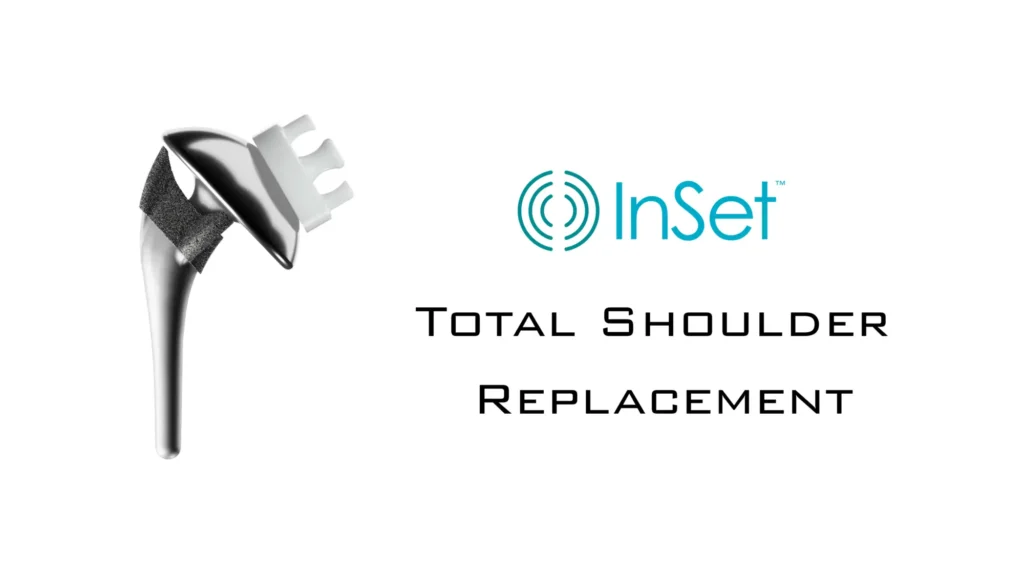
In a traditional total shoulder replacement, surgeons remove the damaged parts of the joint and replace them with a metal ball and a plastic socket. This setup closely replicates the natural structure of the shoulder joint. Depending on the individual case, these components may be secured with bone cement or inserted in a way that allows the bone to naturally grow around them.
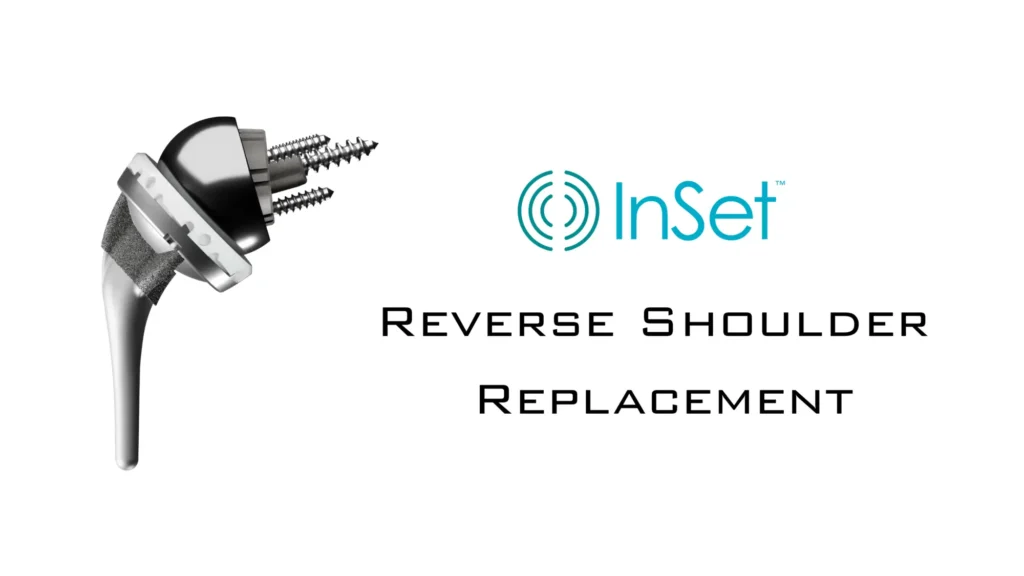
In contrast, reverse shoulder replacement involves switching the placement of the ball and socket. The ball is placed on the shoulder blade side, and the socket is attached to the upper arm. This design allows the deltoid muscle to take over the function of the rotator cuff, which is often damaged in these cases. This method offers a clear alternative to traditional surgery, especially for patients with severe rotator cuff injuries.
How Successful Are These Procedures
Shoulder replacement surgeries generally deliver excellent results. Most patients report major pain relief along with better mobility in the affected shoulder. These benefits often translate into a noticeable improvement in daily life and physical activity.
Who Needs Shoulder Replacement Surgery: Risk Factors and Demographics
A number of conditions can lead to shoulder joint damage that requires surgery. These include:
- Osteoarthritis
- Rotator cuff injuries
- Fractures of the upper arm bone
- Rheumatoid arthritis
- Avascular necrosis (loss of blood flow to bone tissue)
Severe fractures, disrupted bone structure, and cartilage damage from injuries can all necessitate surgical intervention. Conditions like post-traumatic arthritis, rheumatoid arthritis, and osteonecrosis often result in joint degeneration that may eventually require shoulder replacement.
Lifestyle factors also matter. For example, smoking can increase the risk of complications and interfere with the healing process.
Gender Differences
Current research does not provide definitive data about gender-based differences in shoulder replacement outcomes or frequency. As more studies are conducted, future insights may help clarify these trends.
Exploring Alternatives to Shoulder Replacement
Not every patient with shoulder pain needs or wants joint replacement surgery. Several alternatives can be effective depending on the severity of the condition and the individual’s health background. These options include:
- Medication
- Injections
- Physical therapy
- Minimally invasive procedures like shoulder arthroscopy
These approaches can relieve pain, strengthen the shoulder, and reduce the chance of future injury. Specialists often advise lifestyle adjustments or the use of braces and supports to protect the joint during healing.
What to Know About Shoulder Arthroscopy
Shoulder arthroscopy is a minimally invasive procedure often used to treat tendon, ligament, or muscle injuries. It usually takes less than an hour and is performed while the patient is in a reclined or side-lying position.
The process involves:
- Small incisions for inserting a camera and surgical instruments
- Fluid is introduced to expand the joint for better visibility
- Nerve blocks are used to manage pain
- Patients are discharged the same day after a brief observation period
Recovery and Rehabilitation
The recovery journey after shoulder replacement is a critical part of achieving lasting results. Pain and swelling are common during the first few days, and patients are typically fitted with a sling to limit movement.
Physical therapy begins early and focuses on gradually restoring mobility, strength, and flexibility. Within the first two weeks, patients begin with gentle exercises at home. A carefully designed rehabilitation plan is essential for maximizing the benefits of surgery.
The Role of Physical Therapy and Exercise
Physical therapy usually progresses through three stages:
- Passive range of motion
- Strengthening exercises
- Functional training for daily movement
Typical early exercises include pendulum swings, assisted arm raises, and shoulder blade movements. Over time, more advanced exercises like overhead stretches and resistance training are introduced.
Patients are often encouraged to do short sessions of 10 to 15 minutes, two to three times a day, to prevent stiffness and promote healing.
Long-Term Outcomes and Revision Surgery
Most people experience a major reduction in pain and improved arm function after surgery. In some cases, however, the initial surgery may not restore full strength or movement. When problems arise due to implant wear, infection, or injury, a revision procedure may be required.
Common reasons for revision surgery include:
- Loosening of the implant
- Dislocation
- Rotator cuff failure
- Nerve injury
- Fractures
- Infection
- Blood clots
Summary
Shoulder replacement surgery has become a solution for many individuals struggling with ongoing shoulder pain and limited movement. From identifying the causes and types of surgeries available to exploring alternatives, recovery, and long-term outcomes, this procedure offers many people a pathway back to daily comfort and activity.
For those who choose surgery, it represents not just physical restoration, but a potential meaningful return to the routines and experiences that bring life joy and purpose.